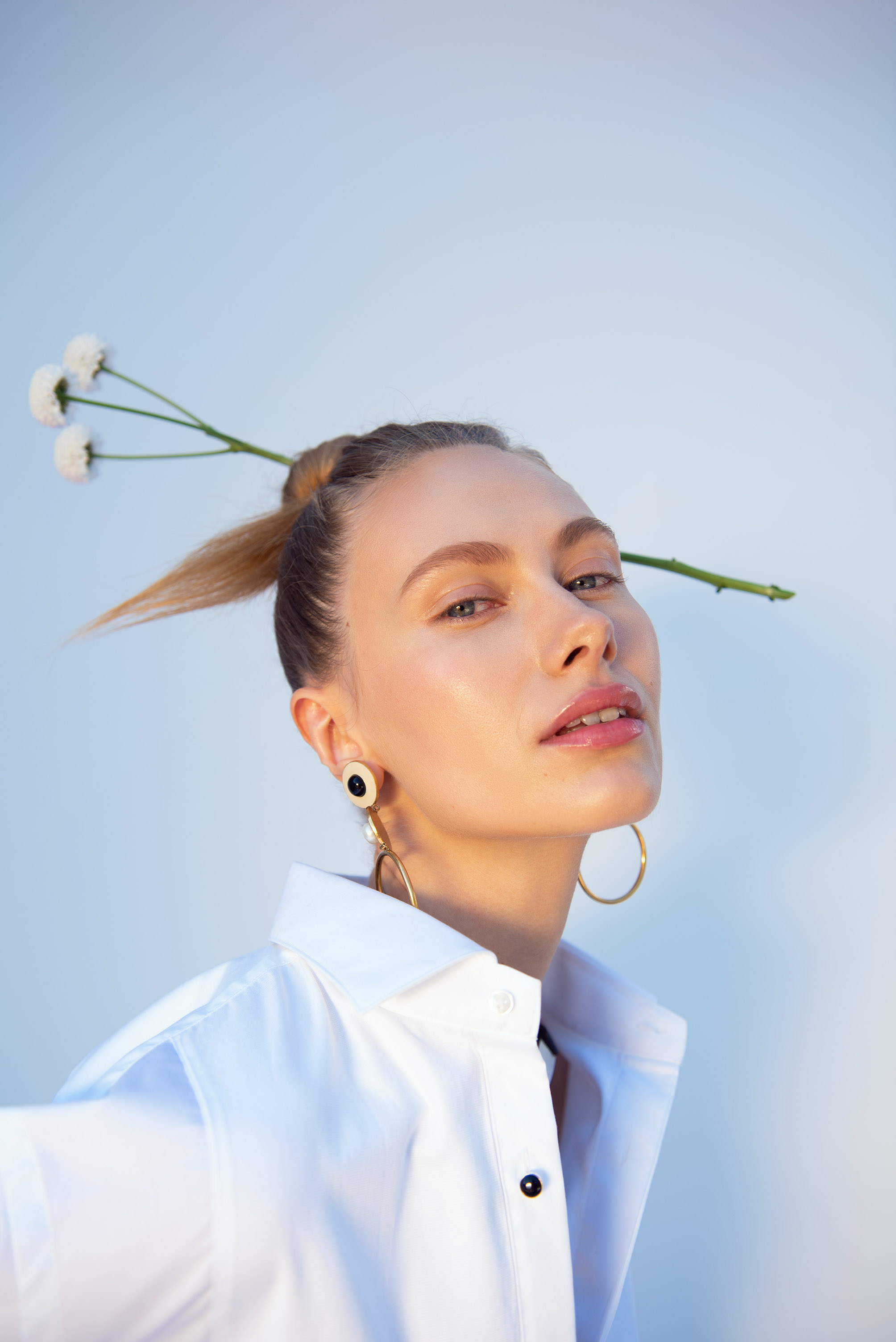
An editorial fashion shoot is often described through its visible ingredients: a model, clothes, a location and a camera. In practice, those are only the materials. The production becomes editorial when every decision supports a clear story and when the final images work together as a sequence rather than as unrelated options.
Barcelona is a particularly flexible place to build that sequence. A production can move between controlled studio light, modern interiors, historic architecture, dense urban texture and the coast without treating the city as a generic backdrop. That flexibility is useful only when the visual direction and practical scope are defined first.
This note explains the working structure behind an editorial photography production in Barcelona, from the first brief to final delivery.
1. Start with the editorial outcome
The first question is not which camera, studio or location to use. It is where the images need to live.
An independent magazine submission, a commissioned feature, a designer story and a brand editorial may share a visual language, but they do not have the same requirements. Image count, orientation, credits, exclusivity, delivery formats and usage can all change the production plan.
A useful first brief should establish:
- the publication, brand or project behind the story;
- the intended audience and publishing context;
- whether the story is commissioned, speculative or part of a campaign;
- the number and orientation of final images;
- the expected publication or delivery date;
- where and for how long the images will be used;
- the team already attached to the project;
- the realistic production range.
This information does not restrict creativity. It gives the creative decisions a real frame. A story designed for six print pages should be planned differently from a set expected to supply a website, press release and several months of social content.
2. Turn references into decisions
A moodboard can establish atmosphere, but a folder of references is not yet an art direction. The useful step is to translate references into choices that the team can act on.
Those choices include:
- emotional register: restrained, confrontational, romantic, distant or surreal;
- light: available, constructed, hard, diffused, colored or mixed;
- palette and material texture;
- the relationship between wardrobe and environment;
- how the model should move or hold still;
- whether frames should feel observed, staged or psychologically direct;
- how the complete sequence should open, develop and close.
For Through the Light, for example, light is not a neutral tool used to expose the subject. It is an active part of the image world. That changes the requirements for makeup, reflective materials, movement, exposure and the time needed to build each frame.
The strongest direction is specific enough to align the team but open enough for something unplanned to happen during the shoot.
3. Build the team around the idea
Editorial production is collaborative. The scale can be compact, but the responsibilities still need to be clear.
Depending on the story, the working team may include:
- photographer and art direction;
- fashion stylist;
- model or casting contact;
- makeup artist and hair stylist;
- photography or lighting assistant;
- producer or location support;
- retoucher;
- video or motion collaborator.
Not every shoot needs every role. A small test may work with a photographer, model and one focused styling direction. A publication story with several looks, complex beauty and controlled lighting needs more support. Removing roles to reduce cost can be reasonable; removing responsibility is not. Someone still needs to track the wardrobe, schedule, call sheet, credits, releases and final delivery.
Casting should also follow the visual argument rather than a general idea of what a fashion model should look like. Face, movement, emotional range and the relationship to the clothes matter more than selecting a familiar profile by default.
4. Choose studio or location for the work it must do
Barcelona offers many visually distinct locations, but availability alone is not a reason to use them.
Studio
A studio is useful when the production needs repeatable light, privacy, efficient wardrobe changes, a controlled beauty setup or a constructed visual world. It also reduces weather and public-access variables. Studio does not have to mean a neutral backdrop: light, color, material and set decisions can create a complete environment.
Location
A location can introduce architecture, depth, movement and cultural or personal context. It also introduces practical questions: access, changing space, public traffic, permits, transport, weather, sun direction, power and the distance between frames.
Hybrid
Some productions benefit from using a controlled base and one nearby location, but every move consumes time. A second environment should add a necessary chapter to the story, not merely increase variety.
The decision should be tested against wardrobe, team size, light, privacy, schedule and final use. The fashion photography service can be developed in studio or on location, but the location follows the concept rather than replacing it.
5. Plan a sequence, not a list of poses
A shot list is most useful when it describes the role of each image in the final edit.
An editorial sequence may need:
- an opening frame that establishes the world;
- a strong full look or silhouette;
- closer material, beauty or gesture details;
- a shift in pace, scale or emotional distance;
- one or two frames that carry the central visual idea;
- a closing image that does not simply repeat the cover option.
This structure leaves room for variation while protecting the essential story. It also helps the stylist plan which looks deserve time, helps the model understand the progression and prevents the final edit from becoming ten versions of the same frame.
Orientation matters at this stage. A vertical cover, horizontal spread, square crop and narrow mobile placement ask for different negative space and body placement. Cropping can be considered during production without forcing every image to work in every format.
6. Protect the production day
On set, the plan becomes a shared rhythm.
The day normally begins with the most important practical checks: wardrobe condition, beauty timing, lighting or location access, image capture, backups and the first finished look. The team should know which frames are essential and which are exploratory.
Direction changes through the session. Some looks need precision and stillness; others need movement and repeated transitions. The model should receive actionable direction rather than abstract approval or criticism. Styling and beauty are checked in relation to the actual frame, not only in the mirror.
Regular image reviews are useful when they answer a question: Is the story progressing? Is the garment reading correctly? Is the light still supporting the intended emotional state? Constant review without a decision can interrupt momentum.
Technical redundancy matters, but the production should not feel governed by equipment. The purpose of a reliable capture and backup workflow is to let the team remain present in the image-making process.
7. Edit for coherence before quantity
The first edit removes technical failures and unnecessary repetition. The more important edit asks whether the selected images belong to the same story.
A coherent editorial selection balances:
- visual strength of individual frames;
- clarity of wardrobe and beauty;
- variation in scale, posture and orientation;
- continuity of color and light;
- the rhythm between quieter and more declarative images;
- the requirements of the publication or client.
More delivered images do not automatically create more value. A concise sequence often communicates the work more clearly and protects the identity of the story.
Retouching should continue the decisions made during production. Skin, fabric, color and background are treated with attention to the intended visual language, without solving every irregularity by erasing texture. The retouching approach, number of finals and revision process should be agreed before the production begins.
8. Confirm rights, credits and delivery
Editorial publication, organic brand use, press distribution and paid advertising are not interchangeable. The initial agreement should identify intended channels, territory, duration and any exclusivity before the images are made.
Final delivery should also include the practical information the receiving team needs:
- agreed high-resolution and web-ready files;
- consistent filenames;
- color profile or format requirements;
- final credits and name spellings;
- publication or embargo dates when relevant;
- the approved usage context;
- a clear contact for any later licensing request.
This closes the production as a professional system rather than ending it at the moment the files are transferred.
What to send in the first inquiry
You do not need a finished deck before beginning a conversation. A useful first message can be concise:
- who the project is for;
- what kind of editorial or fashion story is needed;
- intended publication and image use;
- preferred dates and delivery deadline;
- Barcelona studio or location preference, if known;
- approximate number of looks and final images;
- current team and missing roles;
- references or an existing creative direction;
- a realistic production range.
From there, the concept can be tested against logistics, team and final use before unnecessary costs are committed.
To discuss a production, use the editorial inquiry path. For examples of published editorial work, see Floral Fusion and Airy Bloom.